
Estimated reading time: 5 minutes
Giving and receiving feedback is a really important part of personal and professional growth. Honest, thoughtful feedback helps strengthen trust, encourages better work, and makes teams more effective. When I approach feedback, I want my words to help, not just correct. I also want to be able to accept insights from others without feeling defensive. Here’s a guide based on what I’ve learned through experience, research, and a lot of trial and error.
Understand the Purpose of Feedback
Feedback is more than just telling someone what they did right or wrong. It’s about sharing observations to help another person improve and succeed. When I give feedback, I keep these points in mind:
- Focus on solutions, not just problems
- Encourage growth instead of discouraging
- Maintain honest and open communication
This approach makes the process feel supportive, instead of critical. I want feedback to build trust, not create tension.
Know When and How to Give Feedback
Timing and delivery matter a lot. I try to offer feedback as soon as possible after the event, but only when the other person is ready to listen. I usually consider:
- Is this a good time and place for a private conversation?
- Is the person open to feedback right now?
- Am I calm and clear-headed?
If I wait too long, the moment gets lost. But when I rush in without checking the other person’s mood or the setting, it rarely goes well. Finding the right moment shows that I respect the other person.
Use Clear and Specific Language
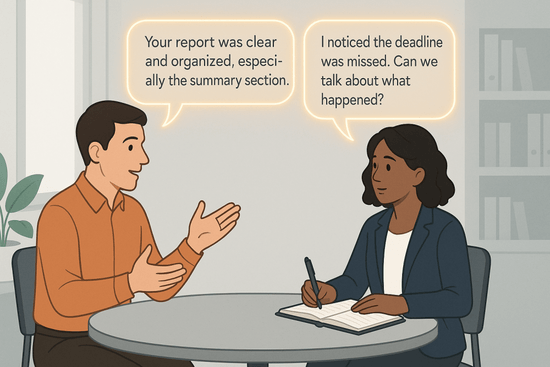
Vague feedback helps no one. I always try to describe exactly what I observed, rather than making general statements. Instead of saying, “Great job!” or “You could do better,” I aim for specifics like, “Your report was clear and organized, especially the summary section,” or “I noticed the deadline was missed. Can we talk about what happened?” Being specific shows that I paid attention and that my words are based on real actions, not assumptions.
Focus on Behavior, Not Personality
Feedback works best when I keep it about behaviors, not about the person’s character. This keeps the conversation less personal and less likely to cause hurt feelings. For example, I might say, “During the meeting, I noticed you interrupted others several times,” rather than, “You’re too rude in meetings.” The first version addresses a behavior that can be changed. The second feels like a personal judgment, which shuts down real conversation.
Balance Positive and Constructive Feedback
Everyone responds better to a mix of positive feedback and suggestions for improvement. I make a point to recognize what’s working, not just what needs changing. For me, a good ratio is about two positives for every suggestion. This keeps morale high and encourages people to keep growing without feeling discouraged.
Ask Questions and Listen
Feedback should be a conversation. I often ask questions to make sure I understand the other person’s perspective. Open-ended questions like “How did you feel about the project?” or “What challenges did you face?” signal that I value their input. Listening carefully helps me give feedback that’s actually helpful, not just based on my assumptions.
Be Ready to Receive Feedback Yourself
Receiving feedback can be tough, but it’s necessary if I want to learn and improve. When someone offers me advice or points out areas for improvement, I try to:
- Stay calm and open
- Resist the urge to defend or explain right away
- Thank them for their input
- Reflect before reacting
Sometimes the feedback stings, but when I take time to really listen, I usually find something valuable in what’s said.
Common Questions About Feedback
- What if feedback feels too harsh? If feedback feels harsh, I try to separate the message from the delivery. I look for the useful part and ask for clarification if I need it.
- How can I make feedback easier to accept? I try to focus on specific actions and frame suggestions as opportunities to grow, not as failures. Sometimes I preface my comments with, “Here’s what I noticed, and I’d like your thoughts.”
- What if the other person gets defensive? I pause and give space for feelings, then steer the conversation back to solutions or next steps instead of blame.
- How do I know if feedback worked? I follow up later, ask how things are going, and look for progress or attitude changes over time.
Putting Feedback Into Practice
Giving and receiving feedback takes practice. I’ve also learned the value of seeking feedback on a regular basis, even when things seem to be going well. A quick check-in or comment can head off problems early and keep communication flowing. I also find it helpful to keep a feedback journal, where I jot down what worked, what didn’t, and how I felt during recent feedback moments. This reflection helps me spot patterns and make steady improvements. By making feedback a regular, honest part of my routine, I help myself and the people I work with grow stronger over time.
For more all-in-one techniques, Harvard Business Review’s feedback resources are useful. If you want to get into their advice, check out their tips here.
Approaching feedback with thought and care gives everyone a better shot at understanding, improving, and working together more effectively. I always remind myself: feedback is not a personal attack, but a chance for everyone involved to get better. In my opinion, frequent and open feedback is one of the most important habits for any team or individual looking to step up their game and build trust that lasts.

Hi, I’m Michael Gray.
I built Digital Ease Hub because I was tired of the overcomplicated nonsense out there. Starting an online business shouldn’t feel like solving a Rubik’s Cube in the dark. I learned that the hard way — years of trial, error, and plenty of mistakes I wish I could’ve skipped. My goal now is simple: show you the tools that actually make online business and affiliate marketing easier, so you can focus on building income instead of getting lost in the weeds.
Join Me on the Platform I call home and has shown me how to make success a reality.