
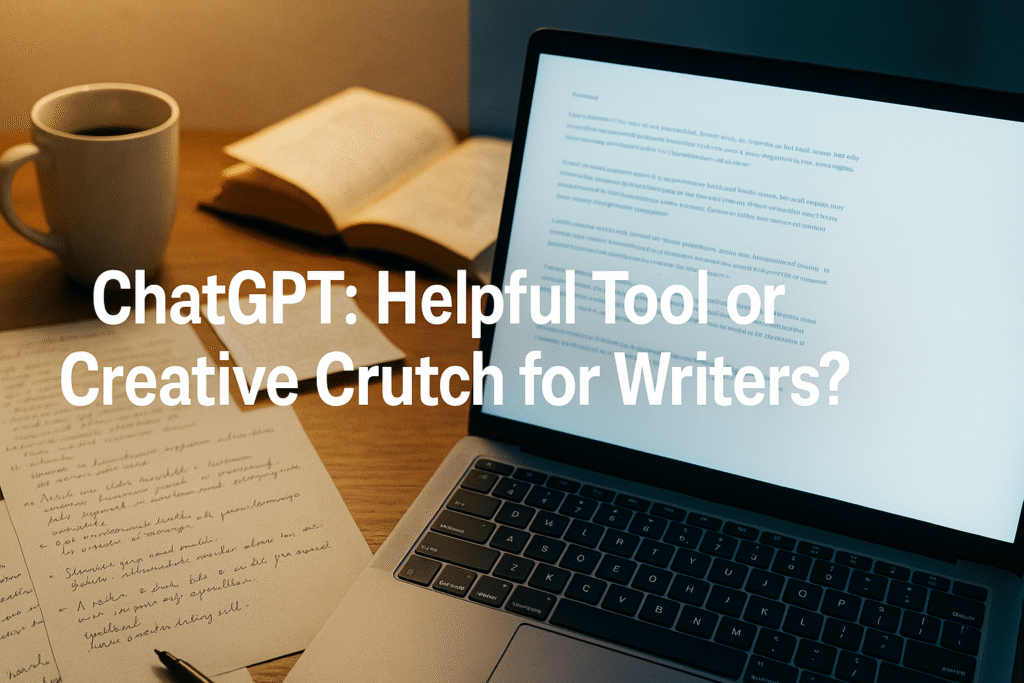
ChatGPT: A Tool or a Crutch?
When ChatGPT burst onto the scene, content creators like me saw it as both a gift and a disruption. Suddenly, we had a tool that could help draft outlines, brainstorm titles, and even produce polished copy in minutes. That speed was intoxicating. It felt like skipping the struggle and getting straight to the finished product. But after years of use, I’ve noticed something uncomfortable. It’s not just a tool anymore; I am afraid it’s become a crutch.
The Tool Side
At its best, ChatGPT is like a creative partner who never sleeps. Need ten blog title ideas? Done. Stuck on a paragraph that won’t flow? It smooths it out in seconds. It’s a time-saver for repetitive tasks like meta descriptions, product blurbs, or repurposing content across formats.
For solo creators, especially, it fills a gap. We don’t all have editors, proofreaders, or research assistants. AI bridges that gap, making it possible to publish more often without burning out. It also sparks ideas I wouldn’t have thought of on my own. Sometimes, one quirky suggestion it spits out leads me down a path I never would have explored.
In short, it supercharges productivity. That’s the “tool” part.
The Crutch Side
But here’s the flip side: reliance creeps in quietly. Tasks I once handled myself now feel incomplete unless I run them through ChatGPT. I’ll write a headline and second-guess it until I see what the AI suggests. I’ll start a draft, but I hesitate to finish it without AI feedback.
That dependency reveals itself when the internet is down or I’m away from my laptop. The blank page feels heavier now than it used to. My first instinct isn’t to push through; it’s to think, I’ll just wait until I can ask ChatGPT. That’s when I realized it wasn’t only helping me; it was carrying me.
There’s also a subtle flattening effect. If you use AI too often, your voice risks blending into the machine’s rhythm. The content reads clean, structured, and professional, but perhaps too much so. Human quirks, tangents, and imperfections get sanded down. And sometimes, that’s exactly what makes writing memorable.
Could I Live Without It?
If ChatGPT were to disappear tomorrow, could I live without it?
Yes. But it would sting.
I’d probably struggle in the first weeks. Productivity would dip. Deadlines would feel heavier. The safety net of instant suggestions would vanish. But the human brain adjusts. Before ChatGPT, we all wrote without it. We brainstormed in notebooks, edited our own drafts, and leaned on peers for feedback. Losing AI wouldn’t erase creativity, but it would just slow it down.
What I suspect would return, though, is a sharper edge. The discomfort of facing the blank page alone has always been part of the creative process. It forces deeper thinking. Without AI filling in the gaps, I’d have to wrestle with ideas more. And maybe that struggle would produce work with more originality, more grit, more fingerprints of the human behind it.
Here is an interesting Vlog- Has AI Hit A Plateau?
Tool and Crutch: Both
So where does that leave me? Honestly, somewhere in the middle. ChatGPT is both a tool and a crutch. It’s undeniable that it saves time, reduces mental friction, and broadens creative possibilities. But it also tempts us to skip the complex parts of writing, like the parts that build skill, resilience, and voice.
The smarter way forward isn’t to ditch it altogether or worship it blindly. It’s to be intentional. Use AI for what it does best: speed, efficiency, and idea generation. But resist outsourcing the messy, human side of writing. Keep some room for struggle. Let imperfection and hesitation show up in the work.
That balance is what keeps us from becoming too dependent. Because if tomorrow came and ChatGPT was gone, I want to know that my voice, not just the machine’s, still stands.
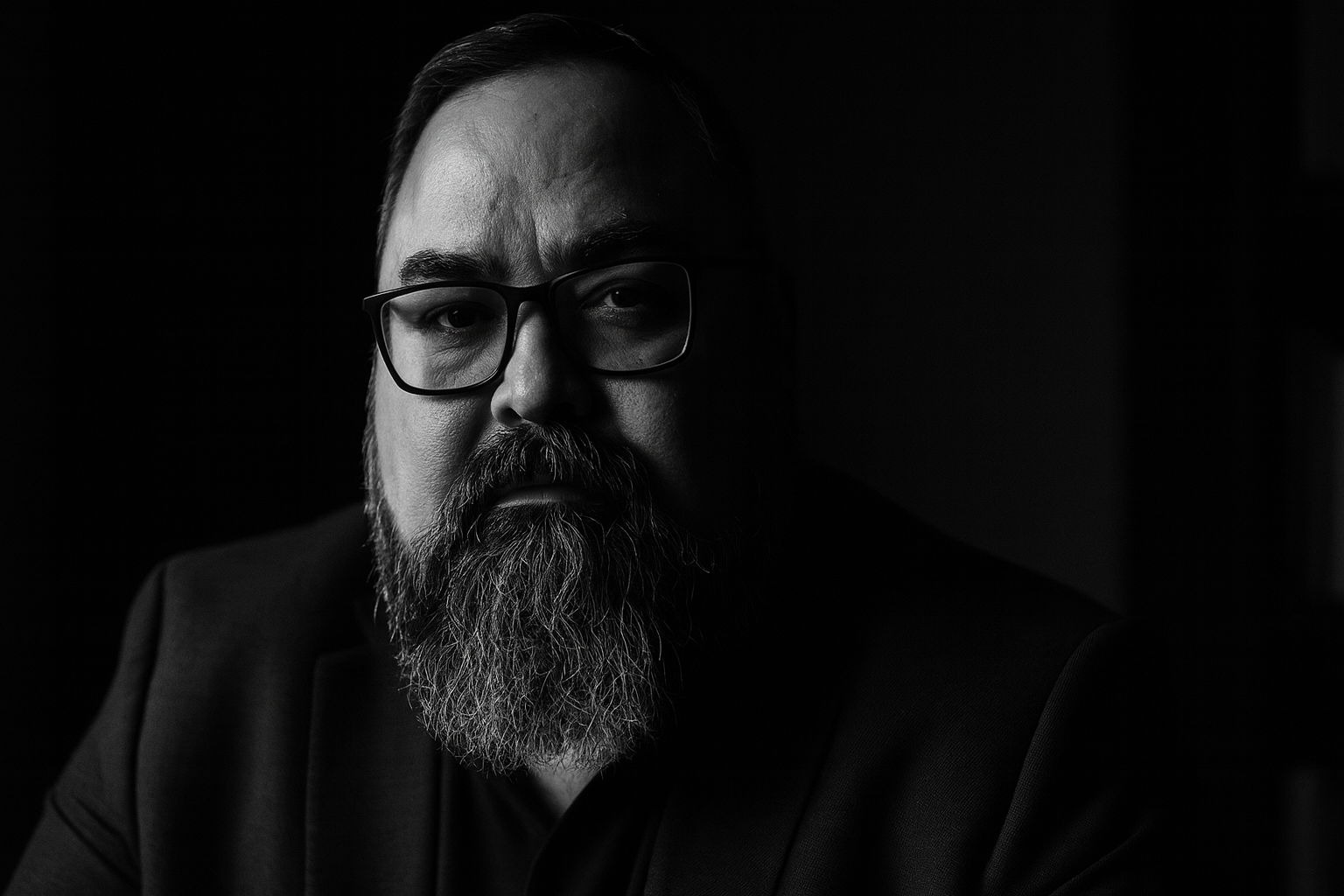
Hi, I’m Michael Gray.
I built Digital Ease Hub because I was tired of the overcomplicated nonsense out there. Starting an online business shouldn’t feel like solving a Rubik’s Cube in the dark. I learned that the hard way — years of trial, error, and plenty of mistakes I wish I could’ve skipped. My goal now is simple: show you the tools that actually make online business and affiliate marketing easier, so you can focus on building income instead of getting lost in the weeds.
Join Me on the Platform I call home and has shown me how to make success a reality.